The Best Way to Get Your Ex Back (and Actually Make it Last This Time)
Okay, so you're here because you want your ex back. I get it. Breakups suck, and that gut-wrenching feeling of missing someone can be incredibly powerful. But before we dive into the "how," let's talk about the "why." Why do you want them back? Is it genuine love and a desire to rebuild a stronger relationship, or is it more about the familiarity, the fear of being alone, or maybe just regret?
Honest self-reflection is crucial here. Getting back together for the wrong reasons is a recipe for disaster. This time around, we're aiming for lasting happiness, not a repeat performance of past heartbreak. So, let's get started.
Understanding What Went Wrong: The Post-Mortem
Before you even think about reaching out, you need to understand why the relationship ended. This isn't about assigning blame; it's about identifying the patterns and issues that contributed to the breakup. Were there communication problems? Did you clash on major life goals? Was there a lack of trust? Was one of you consistently unhappy?
Honest Self-Assessment:
Be brutally honest with yourself. What role did you play in the breakup? What could you have done differently? This isn't about beating yourself up, but about owning your part and demonstrating growth. Identifying your flaws and actively working on them is key to rebuilding trust and avoiding past mistakes.
Analyzing Their Perspective:
Try to understand your ex's perspective. What were their concerns? What were their unmet needs? Did they communicate these concerns to you clearly? If possible (and if it's safe and appropriate), consider a calm, neutral conversation about the relationship's ending, focusing on understanding their viewpoint without getting defensive.
The No-Contact Rule: Giving Space (and Yourself Time)
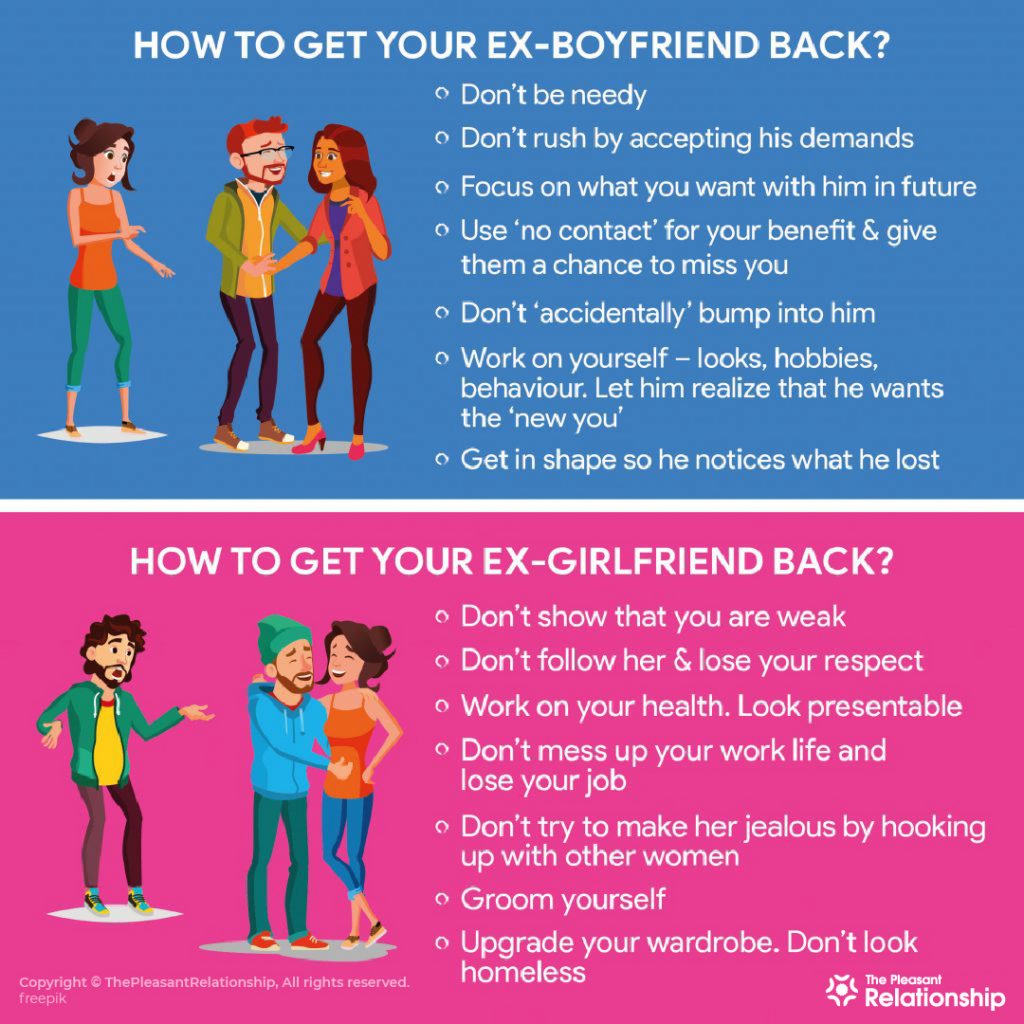
This is probably the hardest part, but it's arguably the most important: the no-contact rule. This means absolutely no contact â€" no texts, no calls, no social media stalking, no drive-bys, no mutual friend interrogations. The length of the no-contact period depends on the severity and length of the relationship, but a minimum of 30 days is generally recommended. Some experts even suggest longer periods.
Why No Contact Works:
No contact gives both of you space to heal, reflect, and miss each other. It allows your ex to process their emotions without the pressure of your constant presence. It also allows you to focus on self-improvement and demonstrates that you respect their space and boundaries.
Using the Time Wisely:
Instead of obsessing over your ex, use this time to focus on yourself. Work on those personal goals you put aside during the relationship. Hit the gym, take up a new hobby, spend time with friends and family. Essentially, become the best version of yourself. This improved self-confidence will be invaluable when you eventually reconnect (if you do).
Rebuilding Connection: The Art of the Reconnect
After the no-contact period, reaching out should feel natural, not desperate. You’ll have matured and evolved as a person. Your initial contact should be casual and friendly. Don’t bombard them with emotions or apologies right away.
The Casual Approach:
A simple text or email mentioning something you saw that reminded you of them ("Hey, I saw this band playing and it reminded me of that time we went to [concert/event], that was fun!") is a good starting point. It's a friendly gesture, not a desperate plea for reconciliation.
Focusing on Shared Interests:
If possible, suggest a low-pressure hangout related to a shared interest. This could be grabbing coffee, seeing a movie, or attending an event you both enjoy. The goal isn't to rekindle the romance immediately, but to rebuild a friendly connection.
Honest Communication, Without Blame:
If things progress positively, be prepared for honest conversations about the past. This time, avoid assigning blame. Focus on your own role in the relationship's downfall and what you've learned and changed. Listen actively to their perspective as well.
Rebuilding Trust and Making it Last
Getting back together is just the first step. The hard work begins now. Rebuilding trust takes time and consistent effort. Be patient, understanding, and committed to making the relationship stronger than before.
Open and Honest Communication:
Maintain open and honest communication. Talk about your feelings, your needs, and your concerns. Actively listen to your partner, and strive to understand their perspective.
Addressing Underlying Issues:
Actively address the underlying issues that contributed to the breakup. If communication was a problem, commit to improving your communication skills. If trust was broken, work on rebuilding it through consistent actions and transparent behavior.
Seeking Professional Help:
If you're struggling to navigate these challenges on your own, consider seeking professional help from a couples counselor. A therapist can provide guidance, tools, and strategies to help you rebuild your relationship and address any underlying issues.
Frequently Asked Questions
Q: How long should I wait before contacting my ex after a breakup?
A: At least 30 days of no contact is recommended, but it can be longer depending on the circumstances. This time allows for healing and self-reflection.
Q: What if my ex is dating someone else?
A: Respect their current relationship. Trying to interfere will likely damage any chance of reconciliation and further hurt your ex. Focus on yourself and moving forward.
Q: What if my ex refuses to communicate?
A: Respect their decision. It may be a sign that they aren't ready or willing to reconcile. Accept their choice and focus on your own well-being.
Q: Is it always possible to get back together?
A: Not always. Sometimes, a breakup signifies the end of a relationship, and that's okay. The important thing is to respect their decision and focus on your own healing and growth.
Q: What if I make a mistake during the reconnection process?
A: Apologize sincerely and learn from it. Everyone makes mistakes. It’s how you handle them that matters. Show them you're committed to growth and change.
Remember, getting your ex back is not a guarantee, and even if you do, it requires significant effort and commitment. Focus on self-improvement, honest communication, and addressing the root causes of the breakup. Good luck!
0 comments:
Post a Comment
Note: Only a member of this blog may post a comment.